
What Are the Core Technical Differences Between FPC and PCB?
Published Jul 22, 2025
1. Fundamental Characteristics
Flexible Printed Circuits (FPC) and Rigid Printed Circuit Boards (PCB) each have distinct advantages in electronic interconnection.
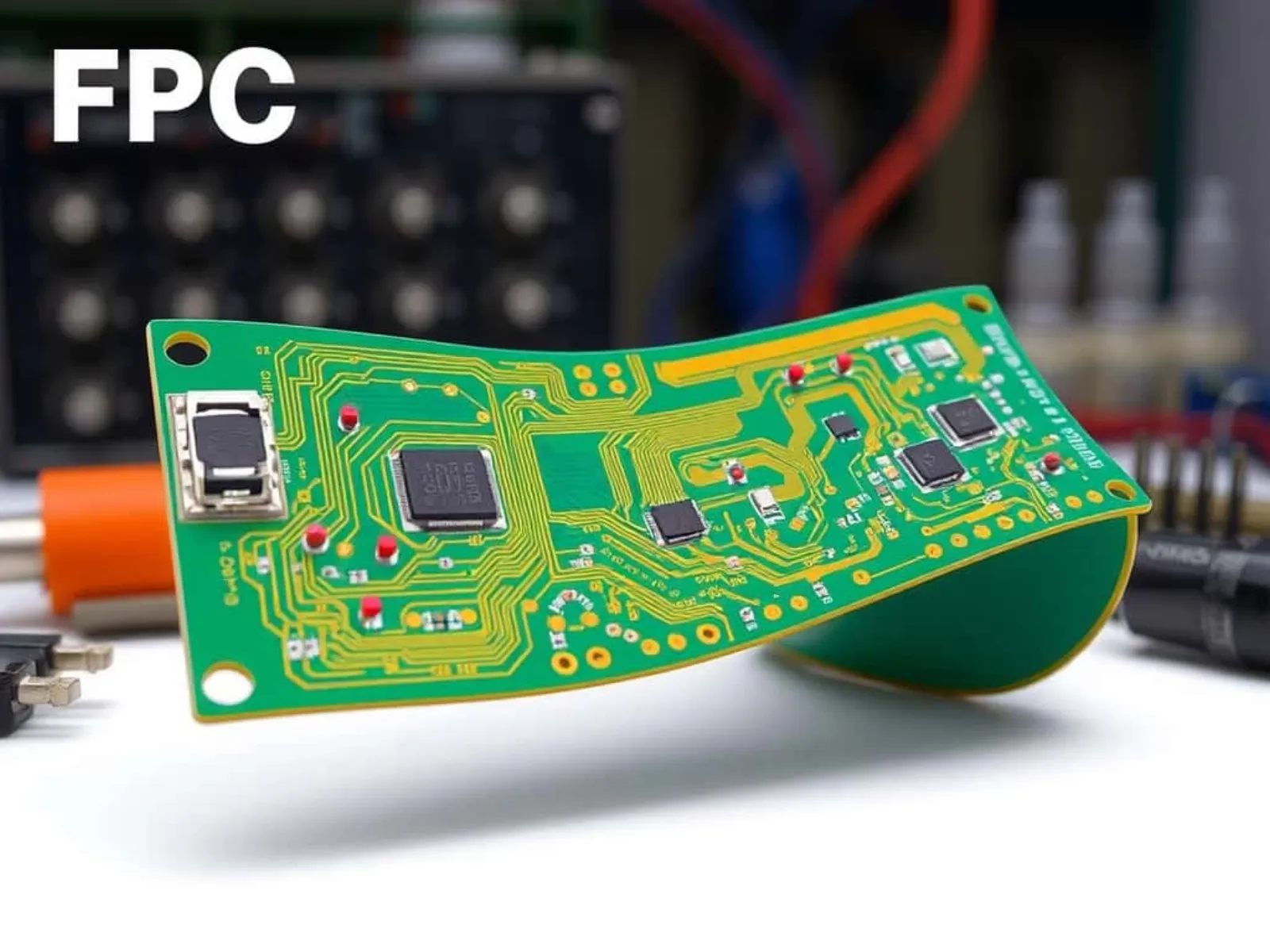
FPC uses bendable polyimide film substrates, typically 0.05–0.3 mm thick, offering excellent dynamic flexing capabilities.
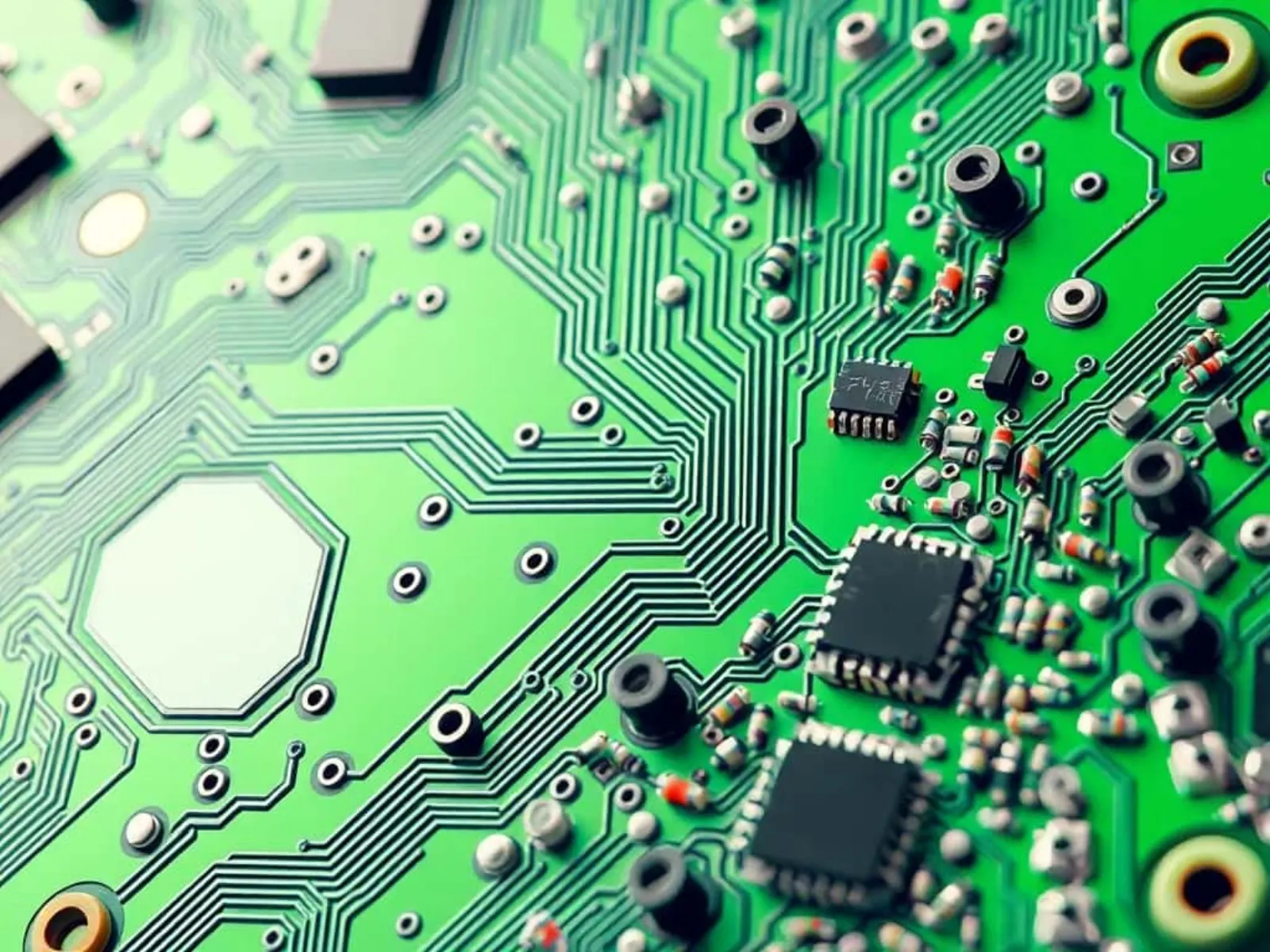
PCB employs rigid FR-4 epoxy fiberglass substrates, with standard thicknesses ranging from 0.4 to 6.0 mm, providing superior structural support.
2.Key Performance Comparison
Electrical Properties
FPC excels in impedance control (±10% tolerance), making it ideal for high-frequency signal transmission.
PCB offers higher dielectric strength (1000V/mil), better suited for high-voltage applications.
Mechanical Properties
FPC can endure tens of thousands of dynamic bending cycles, with the minimum bend radius depending on material thickness.
PCB provides higher peel strength (1.2 N/mm) and dimensional stability, making it suitable for mechanically demanding applications.
3. Application Selection Guide
When to Choose FPC
Connections requiring dynamic bending or continuous movement
Space-constrained, ultra-thin devices
Complex 3D wiring configurations
High-frequency signal transmission
When to Choose PCB
Structural support for electronic assemblies
High-power circuit designs
Applications demanding high reliability
Standardized, compact layouts
4.Technology Trends
FPC is advancing toward finer line widths (<25 µm) and new flexible substrate materials.
PCBis focusing on high thermal conductivity materials and microvia interconnect technology to meet increasing demands for heat dissipation and high-density connections.
5.Selection Recommendations
When designing, consider the following factors:
Mechanical Environment – Does the application require dynamic flexing?
Space Constraints – Thickness and shape requirements
Electrical Needs – Signal integrity and power levels
Reliability Requirements – Operating conditions and lifespan
Cost Factors – Production economics
6.Conclusion
Rather than being mutually exclusive, FPC and PCB technologies are complementary. Many modern electronic devices use rigid-flex designs to leverage the strengths of both.