
为什么选择 FPC?柔性电路板完全指南
发布于 2025-09-17
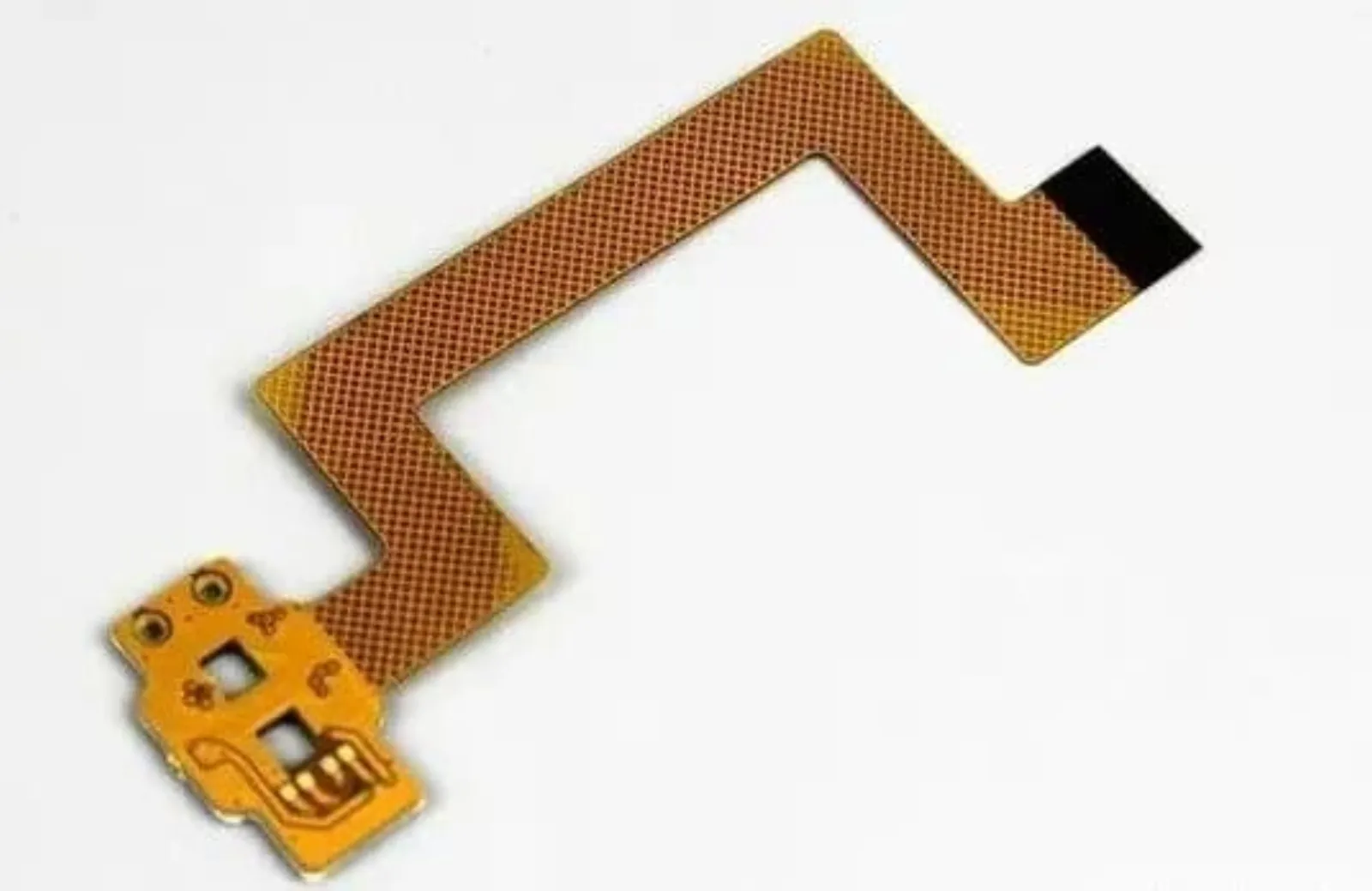
Flexible Printed Circuits (FPC), often called "flex circuits," are printed circuit boards made from flexible insulating substrates. These boards deliver excellent electrical performance while enabling compact, high-density designs. With the ability to bend, twist, and fold, FPCs can withstand millions of dynamic flex cycles without damage to the conductors. They allow free three-dimensional movement and can be customized to fit complex spatial layouts, making them ideal for integrating component mounting and wiring into a single, lightweight, and highly reliable solution.
1. FPC vs. PCB: What’s the Difference?
While both are types of printed circuit boards, FPCs differ significantly from traditional rigid PCBs:
FPC: Uses polyimide (PI) as the base material, offering excellent flexibility and repeated bending capability.
PCB (Rigid): Typically uses FR4 as the base material, providing structural strength but no flexibility.
FPCs are not only bendable but also enable three-dimensional circuit designs, eliminating the need for connectors and terminals in many cases. This enhances signal integrity and overall product reliability.
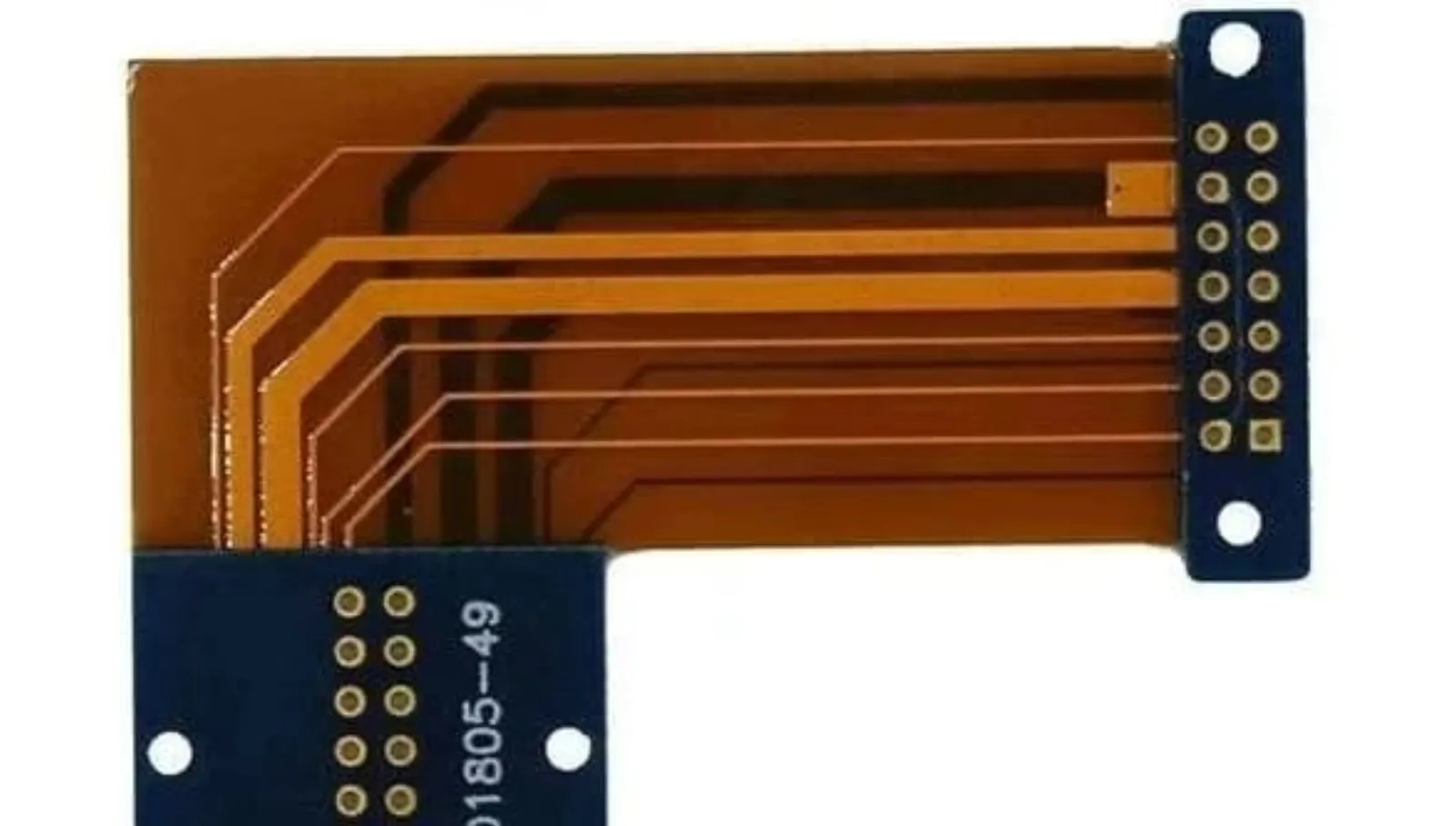
2.FPC vs. Rigid-Flex PCB
FPC: Fully flexible, can be bent or folded freely.
Rigid-Flex PCB: Combines rigid sections (like FR4) and flexible areas (using PI), offering both structural support and selective flexibility.
While rigid-flex PCBs are more complex and costly to produce, they provide unique advantages in space-constrained and high-performance applications.
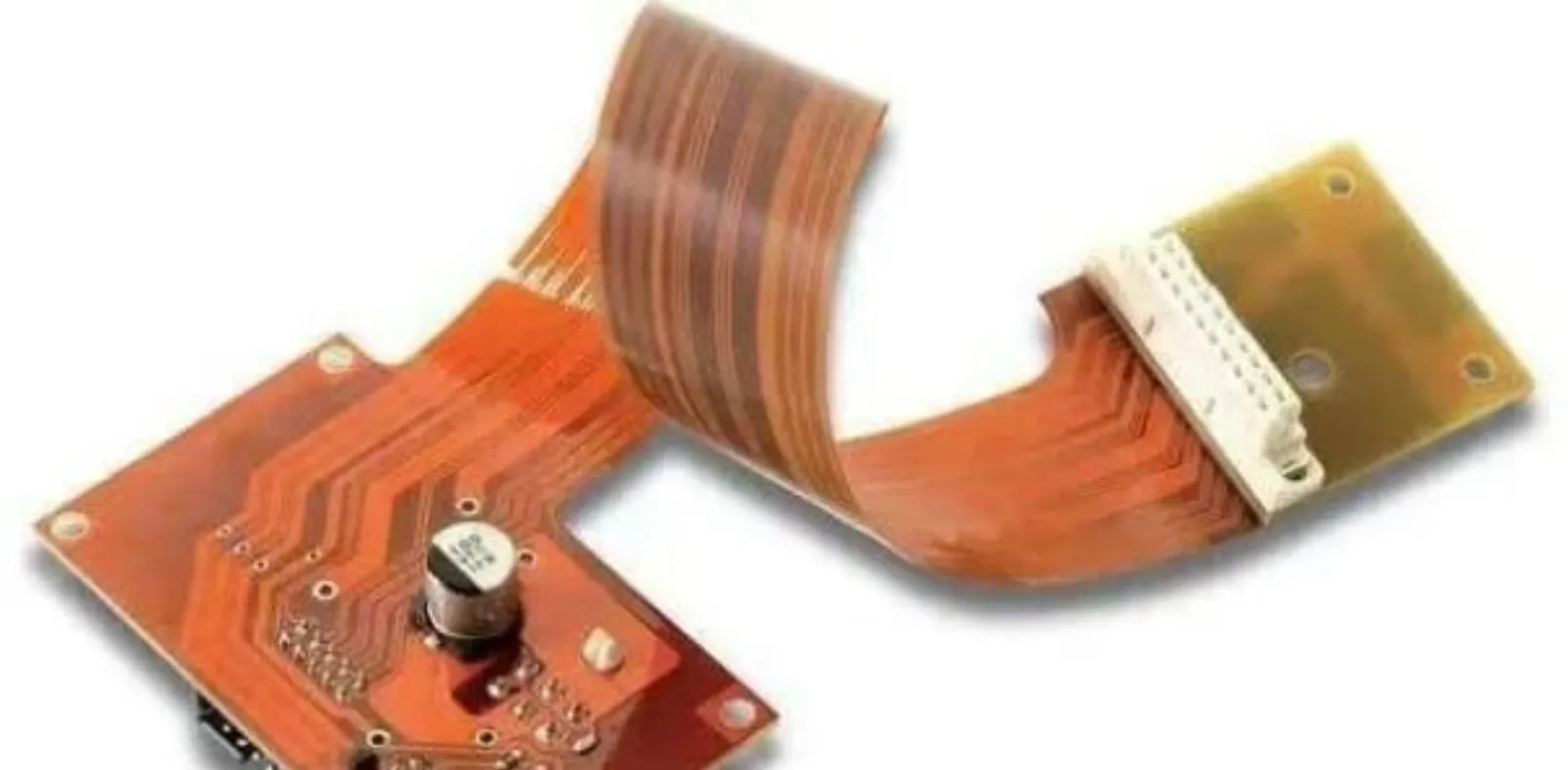
3.FPC Material Composition
Key materials used in FPC manufacturing include:
Flexible Copper Clad Laminate (FCCL): Composed of PI, PET, PEN, or LCP film with copper foil.
Coverlay: Protects circuit traces; available in yellow, white, or black.
Adhesive Films: Used for bonding multilayer circuits and insulation.
PI Stiffeners: Added to specific areas (e.g., behind connectors) to improve mechanical strength and facilitate assembly.
4.Applications and Advantages
FPCs are widely used in:
Smartphones (display, battery, camera modules)
Wearable devices
Automotive electronics (dashboard displays, sensors)
Aerospace and military systems
Key Benefits:
High wiring density, lightweight, and thin profile
Excellent flexibility and dynamic durability
Simplifies assembly and reduces product size
Improved heat resistance and solderability
5.Tips for Choosing an FPC Manufacturer
When selecting an FPC supplier, consider:
Ability to meet technical specifications (tolerances, materials)
Experience with prototypes, small batches, or mass production
Quality standards and reliability
Production lead times and cost-effectiveness
6.FPC Cost Factors
FPC production involves over 40 steps, including exposure, etching, lamination, and plating. Key cost drivers include:
Raw materials (approx. 60% of total cost)
Labor (approx. 15%)
Manufacturing overhead (approx. 25%)
Custom requirements, layer count, and precision tolerances can also impact pricing.
If you need, please browse and refer to the products of [Flexible Circuits](../Flexible-Circuits.html) modules and**Rigid-flex PCB** modules on this website. Embrace the future of electronics with FPC technology — enabling thinner, lighter, and smarter devices across industries.