
RO4003C 是 5G 与车载雷达的最佳高频电路板材料吗?
发布于 2025-05-16
As 5G networks expand and automotive radar systems become more advanced, engineers face a critical question: Which PCB material delivers the best balance of RF performance, thermal stability, and cost efficiency?
[Rogers RO4003C](../NEWLY SHIPPED PCB/RO4003C-2-Layer-ENIG-PCB-High-Frequency-RF-Board-for-5G-Automotive-Radar2025-4(8).html) has emerged as a leading contender, but does it truly meet the demands of next-gen applications? Let’s dive into the details.
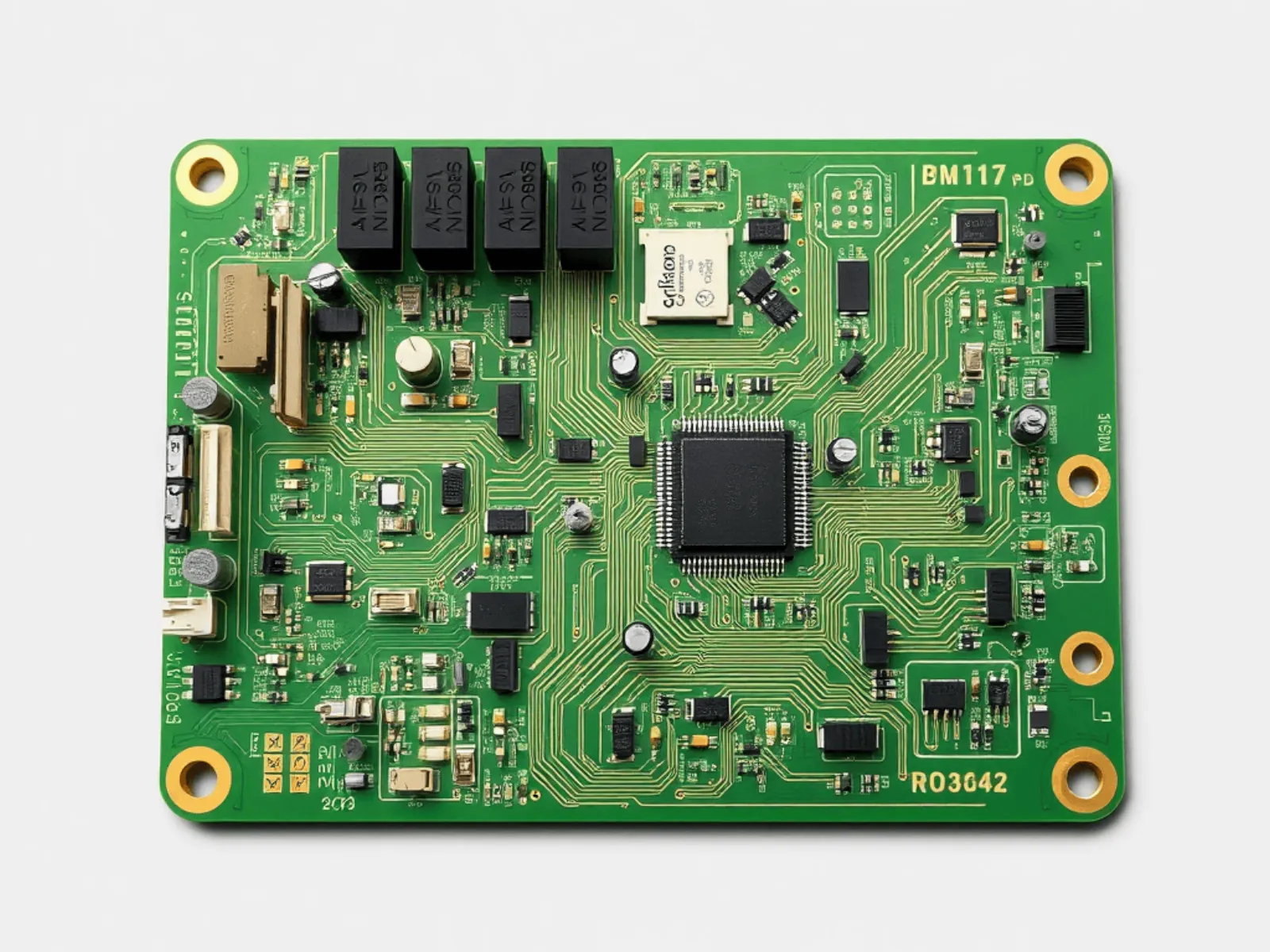
Why RO4003C Stands Out in High-Frequency Designs
Unlike traditional FR-4 or pure PTFE laminates, RO4003C combines woven glass reinforcement with a hydrocarbon/ceramic matrix, offering:
Ultra-low loss (Df = 0.0027 @ 10GHz) – Essential for mmWave 5G and radar signals.
Tight Dk control (3.38 ±0.05) – Ensures consistent impedance matching.
Thermal reliability (Tg >280°C, CTE matched to copper) – Prevents delamination and via cracking in harsh environments.
But the real advantage? It processes like FR-4, avoiding the high costs and specialized handling required for PTFE-based boards.
Key Considerations for Automotive & 5G Applications
Automotive radar (77/79GHz) and 5G base stations demand PCBs that can handle:
High-frequency signal integrity – RO4003C’s low loss tangent minimizes attenuation.
Thermal cycling resistance– Critical for under-the-hood radar modules.
Moisture resistance (0.06% absorption)– Ensures stable performance in humid conditions.
However, designers must weigh trade-offs:
No built-in solder mask/silkscreen– May require additional processing.
Limited to 6/10 mil trace/space– Fine-pitch designs may need alternative materials.
Is RO4003C the Right Choice for Your Project?
For high-volume, performance-critical RF designs—like phased-array antennas or ADAS sensors—RO4003C is a compelling option. Its cost-effective manufacturability makes it ideal for scaling production without sacrificing quality.
Yet, for ultra-high-frequency (100GHz+) or extreme thermal applications, specialized PTFE blends might still be necessary.
The Bottom Line
RO4003C strikes an exceptional balance for 5G, automotive radar, and satellite comms, but the "best" material depends on your specific frequency, thermal, and cost requirements.
What’s your experience with RO4003C?